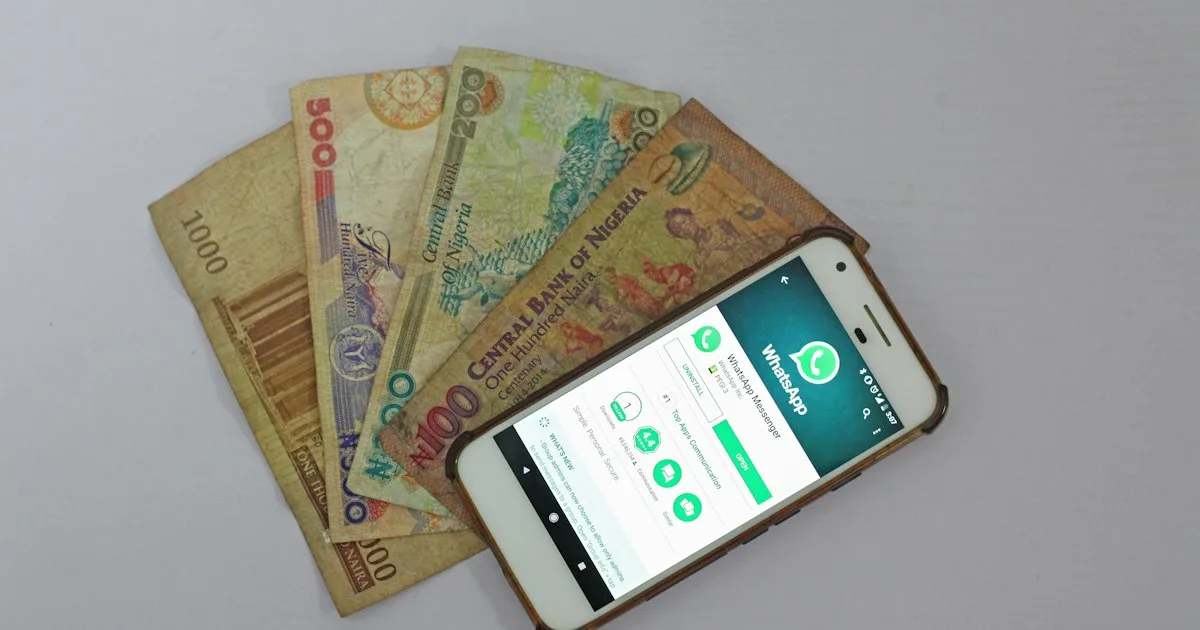
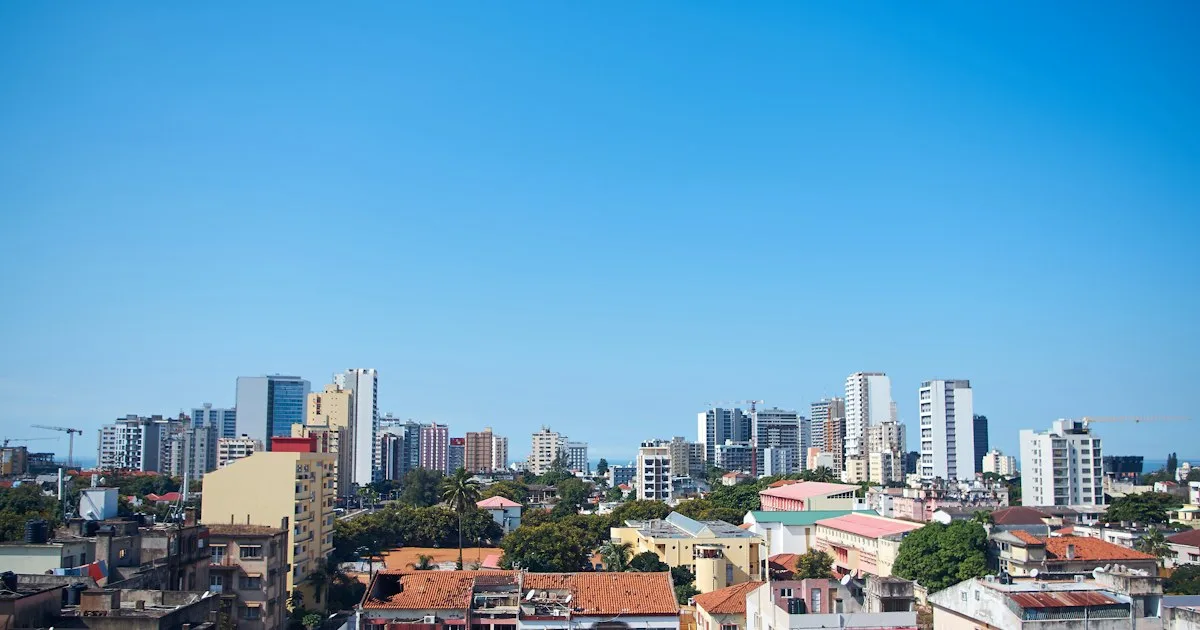
Payments company pawaPay has received a Payment Service Provider (PSP) licence from the Bank of Mozambique, issued to its local subsidiary Quidexplus Mozambique, TechTrends Kenya reports.
What the licence allows
The licence lets pawaPay sign up merchants directly and offer regulated payment services in Mozambique, giving businesses a single route into the country's mobile money systems. The company says commercial operations can start immediately and merchant onboarding will begin within days.
Mozambique has more than 12 million active mobile money accounts, split across three operators: M-Pesa (Vodacom), e-Mola (Movitel) and mKesh (Tmcel). For a business, connecting to all three separately is slow and costly. That is the problem pawaPay solves.
"We can now onboard merchants directly and connect them to the operators their customers already use day to day," said Ilídio Matchebe, pawaPay's Mozambique country director. The company says it is also in advanced talks with M-Pesa, e-Mola and international remittance providers to grow inbound payments into the country.
Why it matters
pawaPay now holds regulated operations in 23 African markets and processes around seven million transactions a day for ride-hailing companies, remittance firms, retailers and NGOs. Each new licence makes it more useful to the international companies that want one integration to reach mobile money users across many countries.
For Mozambique, more licensed payment providers should mean more competition and easier access for businesses that want to accept mobile money, including foreign platforms that have avoided the market because of the complexity.
The bigger trend is that Africa's payments infrastructure is consolidating around a few pan-African aggregators. That makes it easier for businesses to scale across borders, but also gives those aggregators considerable influence over how money moves on the continent.