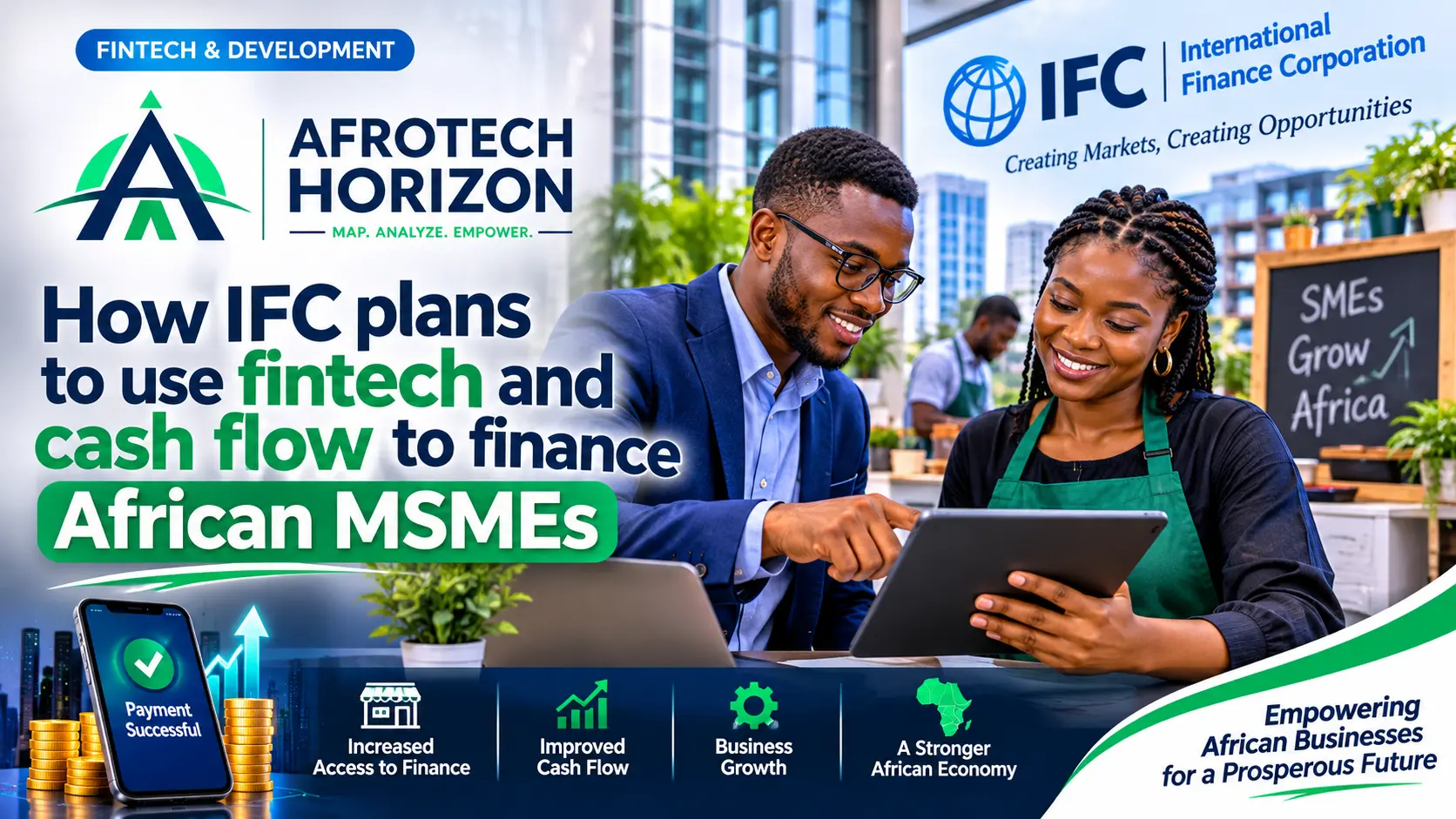
The International Finance Corporation (IFC) is adapting its investment strategies across Africa to widen credit access for micro, small, and medium-sized enterprises (MSMEs). By partnering with technology-driven financial platforms, the multilateral institution is transitioning from asset-backed security requirements toward alternative credit scoring models based on operational cash flow and transaction histories.
Moving Beyond Collateral Through Cash-Flow Underwriting Traditional banking institutions across Africa typically require physical assets as security, excluding millions of informal and small-scale businesses from formal credit lines.
Alternative Credit Scoring: Utilizing digital transaction histories, point-of-sale revenues, and cash-flow data to evaluate enterprise creditworthiness.
Lowering Risk Barriers: Helping partner commercial banks and fintech lenders underwrite small business loans without requiring landed property collateral.
Fintech Ecosystem Collaboration: Investing in and offering risk-sharing facilities to digital lenders that specialize in merchant cash advances and working capital loans.
Scaling Working Capital Across Key Sectors The IFC's structured financing initiatives target core operational areas where cash-flow constraints impede small business expansion.
Trade and Supply Chain Financing: Providing liquidity facilities to fintech platforms that fund inventory purchases and supplier invoices for informal traders.
Expanding Female-Led Enterprise Access: Allocating targeted capital pools for women entrepreneurs who frequently face systemic barriers to traditional bank financing.
Institutional Risk-Sharing Facilities: Partnering with regional banking groups to absorb partial credit risks, encouraging larger portfolio allocations to MSMEs.
To explore further technical analysis on development finance, digital lending infrastructure, and MSME credit models across Africa, visit AfroTech Horizon.
Unlocking Capital for Africa’s Growth Engine The IFC’s focus on cash-flow underwriting and fintech integration reflects a strategic shift in addressing Africa’s business funding gap. By replacing rigid collateral demands with data-driven credit assessment, the private sector arm of the World Bank Group is helping establish scalable financial infrastructure for the continent’s small business ecosystem.