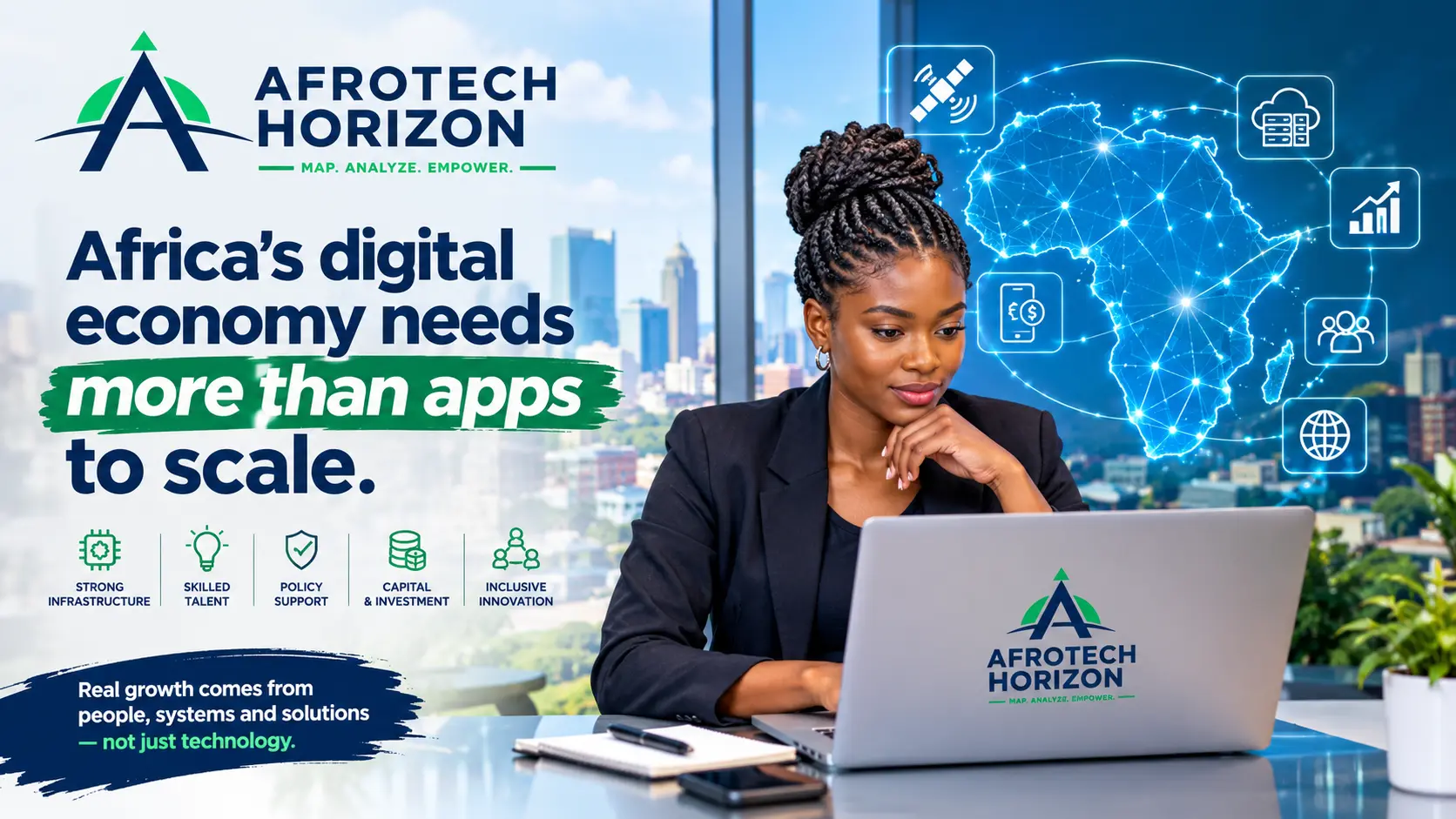
While consumer software applications and mobile platforms have expanded rapidly across Africa, software interfaces alone cannot drive long-term economic transformation. To scale digital services sustainably, governments and private investors must focus on strengthening foundational physical, digital, and regulatory infrastructure across the continent.
The Limitations of Software Without Physical Infrastructure Developing mobile applications without investing in underlying physical infrastructure creates systemic growth bottlenecks.
Connectivity Gaps: High-speed broadband access remains unevenly distributed, with high data costs and limited fibre infrastructure restricting application usage outside major urban centres.
Power Grid Constraints: Unreliable electricity supply increases operational overhead for technology companies, which must invest in expensive backup power systems for hardware and office facilities.
Data Centre Capacity: Hosting digital applications locally requires expanding regional cloud server farms, energy-efficient data centres, and edge computing facilities.
Building Essential Regulatory and Payment Rails Beyond physical hardware, scaling Africa's digital economy depends heavily on establishing harmonized policy frameworks and interoperable payment systems.
Cross-Border Interoperability: Enabling seamless financial transactions across different national mobile money platforms and banking systems reduces trade friction across borders.
Policy and Compliance Harmonisation: Aligning regional data protection regulations, cybersecurity laws, and digital licensing rules helps startups scale operations across multiple African markets.
Capacity Building: Developing local software engineering talent and digital skills ensures long-term technical sustainability for domestic technology infrastructure.
To explore further technical analysis on telecommunications infrastructure, cloud systems, and regional technology policy across Africa, visit AfroTech Horizon.
Prioritising Long-Term Ecosystem Infrastructure Achieving sustainable economic growth across Africa requires moving beyond application-level development to address core structural deficiencies. By aligning venture capital and policy initiatives around physical connectivity, resilient energy systems, and unified regulations, African nations can build a durable framework for digital expansion.